BIGSTORY Network


India March 12, 2026, 4:32 p.m.

The Diplomatic Tightrope: How India Secured an Iranian Exemption to Bypass the Hormuz Blockade

By securing exclusive safe passage for its tankers while Western-linked vessels continue to burn, New Delhi brings critical relief to its domestic energy crisis but tests the absolute limits of its alliance with Washington.

by Author Brajesh Mishra
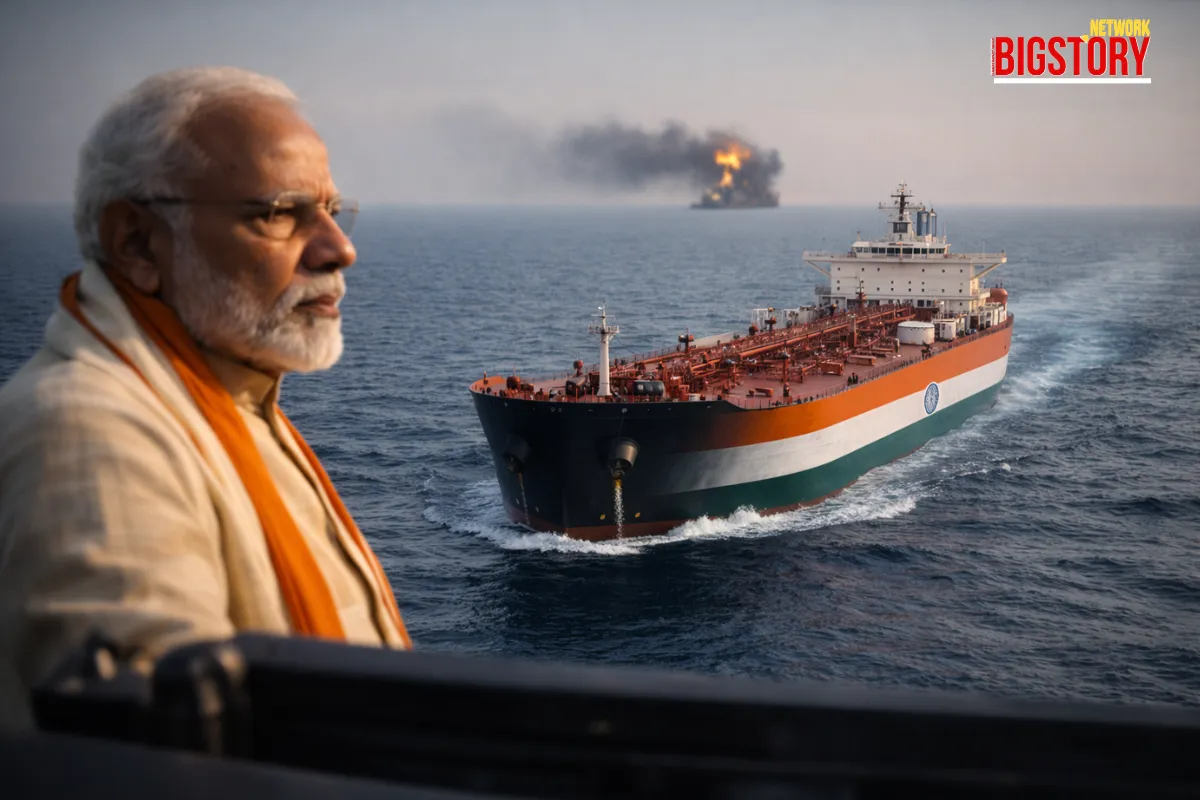
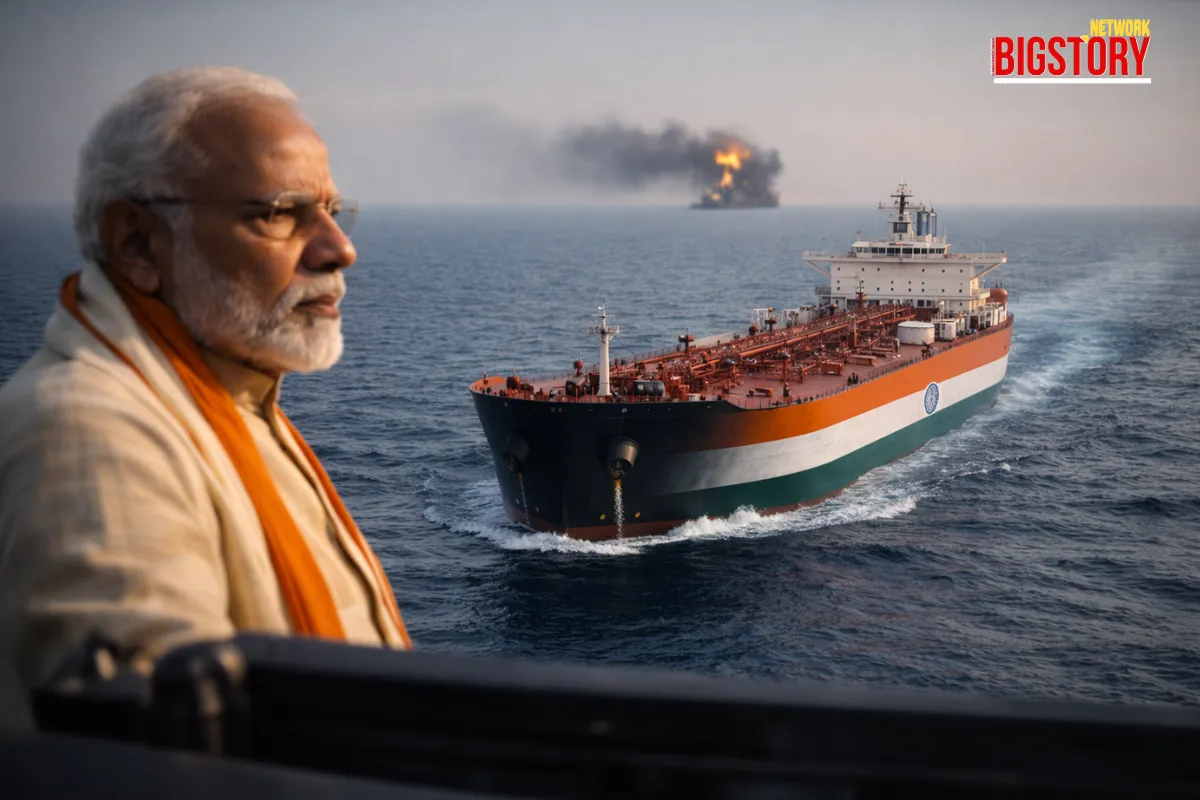
Hero Image

⏱️ 30-Second Brief

Expand to Read

What happened: Iran has granted Indian-flagged vessels exclusive safe passage through the Strait of Hormuz, even as it continues to attack ships linked to the US and its allies. Why it happened: The diplomatic breakthrough follows urgent back-channel talks between External Affairs Minister S. Jaishankar and Iranian Foreign Minister Abbas Araghchi. The strategic play: Iran is using targeted exemptions to reward neutral nations, actively fracturing the US-led international consensus and isolating Washington. India's stake: The exemption provides critical relief to India's energy crisis, allowing tankers like the Pushpak and Parimal to safely bring home crude oil without facing IRGC drone swarms. The deciding question: How will the United States and Israel react to India cutting a bilateral survival deal with Tehran while Western-linked ships continue to burn in the Persian Gulf?

In a massive, high-stakes victory for its multi-alignment foreign policy, New Delhi has successfully navigated the most dangerous maritime chokepoint on the planet. On Thursday, Iranian authorities officially permitted an indian flagged ship strait of hormuz 2026 transit, granting safe passage to multiple vessels following intense back-channel negotiations between External Affairs Minister S. Jaishankar and his Iranian counterpart Abbas Araghchi.

The breakthrough provides immediate, vital relief to an Indian economy currently suffocating under emergency LPG rationing. However, the diplomatic optics are highly precarious. By accepting an exclusive bilateral exemption from Tehran while the Islamic Revolutionary Guard Corps (IRGC) actively targets and attacks vessels linked to the United States and its allies, India is severely testing the boundaries of its strategic partnerships with Washington and Jerusalem.

How We Got Here

  • The Trigger: Following the outbreak of the US-Israel-Iran war in late February, Tehran effectively closed the Strait of Hormuz to paralyze global oil shipments.
  • The Background: Between February 28 and March 10, External Affairs Minister S. Jaishankar held at least three urgent telephonic conversations with Iranian Foreign Minister Abbas Araghchi to secure India's supply lines.
  • The Escalation: On March 11, Iran issued a stark ultimatum, threatening to block all nations from the Strait unless they expelled US and Israeli diplomats. The same day, a Liberian-flagged tanker commanded by an Indian captain (Shenlong Suezmax) safely docked in Mumbai, signaling an unofficial thaw.
  • The Stakes: By March 12, the IRGC officially allowed two Indian-flagged tankers, Pushpak and Parimal, to cross the Strait unharmed. Simultaneously, to prove the blockade remained active for others, Iranian forces attacked a Thai-flagged vessel (Mayuree Naree) bound for Gujarat for ignoring warnings.

The Key Players

S. Jaishankar, External Affairs Minister, India Jaishankar secured this critical diplomatic exemption through persistent, direct engagement with Tehran. He successfully leveraged India's historical civilizational ties to achieve a massive strategic win for domestic energy security, all while carefully navigating the shadow of US-led sanctions.

Alireza Tangsiri, Commander, IRGC Naval Force Rear Admiral Tangsiri confirmed that Iran is selectively enforcing the maritime blockade. By explicitly noting that ships like the Mayuree Naree were caught because they ignored warnings, he reinforced that safe passage is exclusively reserved for nations willing to negotiate directly and respectfully with Tehran.

Directorate General of Shipping, India The national maritime regulator is currently operating a 24-hour control room in New Delhi, closely monitoring the safety and movements of the 28 Indian-flagged vessels currently operating in the volatile Persian Gulf region.

The BIGSTORY Reframe — The Diplomatic Tightrope and Collateral Risks

Mainstream news outlets are jubilantly celebrating this development as a "masterstroke" of Indian foreign policy, focusing on the successful arrival of Saudi crude in Mumbai and the immediate relief for domestic gas markets. But this unbridled optimism obscures the immense geopolitical collateral risks New Delhi has just accepted.

While India secured a vital carve-out for its own flagged vessels, this "win" places New Delhi on a diplomatic tightrope with Washington. The US expects its strategic partners to present a united, unyielding front against Tehran's aggression. By cutting a bilateral survival deal with Iran while European and US-linked vessels continue to be fired upon, India is inadvertently undermining the US-led isolation of the regime. Furthermore, this is only a partial victory for India's energy grid. Out of the massive fleet required to feed India's refineries, only 28 Indian-flagged vessels currently operate in the Persian Gulf. The vast majority of India's crude arrives on foreign-flagged ships, meaning the broader energy supply chain remains fundamentally vulnerable to IRGC drone swarms unless the flagging strategy shifts overnight.

What This Means for India

  • Immediate Economic Relief: The safe passage of the Pushpak, Parimal, and Shenlong Suezmax provides critical breathing room for the domestic LPG and crude rationing crisis, helping avert an immediate macroeconomic collapse.
  • Vessel Chartering Pivot: The Directorate General of Shipping must urgently incentivize the re-flagging or exclusive chartering of Indian-registered vessels to maximize the utility of this Iranian exemption.
  • Managing US Fallout: The Ministry of External Affairs (MEA) must carefully manage the inevitable diplomatic fallout with the US State Department, articulating that this bilateral deal was a matter of sheer economic survival, not a geopolitical endorsement of the IRGC's blockade.

The Implications

  • Short Term: Domestic markets will stabilize slightly, and the panic surrounding extreme fuel rationing may ease as citizens see physical crude successfully docking at Indian ports.
  • Medium Term: Iran will likely use India's successful transit as a propaganda tool, broadcasting to the rest of the world that the only way to avoid economic ruin is to bypass Washington and negotiate directly with Tehran.
  • India-Specific Consequence: The crisis proves that India's "multi-alignment" doctrine is highly effective at extracting targeted concessions, but it forces New Delhi to constantly balance the anger of its Western defense partners against the fuel requirements of its citizens.

If India relies on an Iranian exemption to keep its economy afloat, how will it respond when Washington eventually demands a unified global embargo against Tehran?

Sources

News & Wire Coverage:

Official Statements & Data:

  • Diplomatic Record: External Affairs Minister S. Jaishankar holds telephonic talks with Iranian Foreign Minister Abbas Araghchi — March 2026


Brajesh Mishra
Brajesh Mishra Associate Editor

Brajesh Mishra is an Associate Editor at BIGSTORY NETWORK, specializing in daily news from India with a keen focus on AI, technology, and the automobile sector. He brings sharp editorial judgment and a passion for delivering accurate, engaging, and timely stories to a diverse audience.

BIGSTORY Trending News! Trending Now! in last 24hrs

The Diplomatic Tightrope: How India Secured an Iranian Exemption to Bypass the Hormuz Blockade
India
The Diplomatic Tightrope: How India Secured an Iranian Exemption to Bypass the Hormuz Blockade
The Z+ Grid Collapse: Farooq Abdullah Survives Point-Blank Assassination Attempt in Jammu
India
The Z+ Grid Collapse: Farooq Abdullah Survives Point-Blank Assassination Attempt in Jammu
The Insider Exploitation: How India's Gas Agencies Are Fueling a ₹4,500 LPG Black Market
India
The Insider Exploitation: How India's Gas Agencies Are Fueling a ₹4,500 LPG Black Market
The Anti-Corruption Upgrade: Why the ₹8.69 Lakh Crore Jal Jeevan Mission Extension Changes Everything
India
The Anti-Corruption Upgrade: Why the ₹8.69 Lakh Crore Jal Jeevan Mission Extension Changes Everything